

Proven worldwide
Don't take our word for it.
Rapidwall and RBS gypsum technology have been examined, tested and adopted well beyond Australia. This page holds the evidence in one place: who tested it, what it survived, what it has earned, and where it stands in service today.
Independent testing
Who has put it to the test.
Home-ground scrutiny first.
University of Adelaide · University of South Australia
Tested for national scale.
IIT Madras · Structural Engineering Research Centre (SERC)
Proven for seismic country.
University of Hong Kong · Tianjin University · Shandong School of Civil Engineering
Six doctorates were completed on Rapidwall research between 2004 and 2024 — Dr Srinivasan, Dr Janardhanan, Dr Shinto Paul, Dr Phillip Cherian, Dr Gouri Krishna and Dr Ishwarya — under the guidance of Prof. Dr Devdas Menon and Prof. Dr Meher Prasad.
Tested to destruction
They didn't stop at the safe limits.
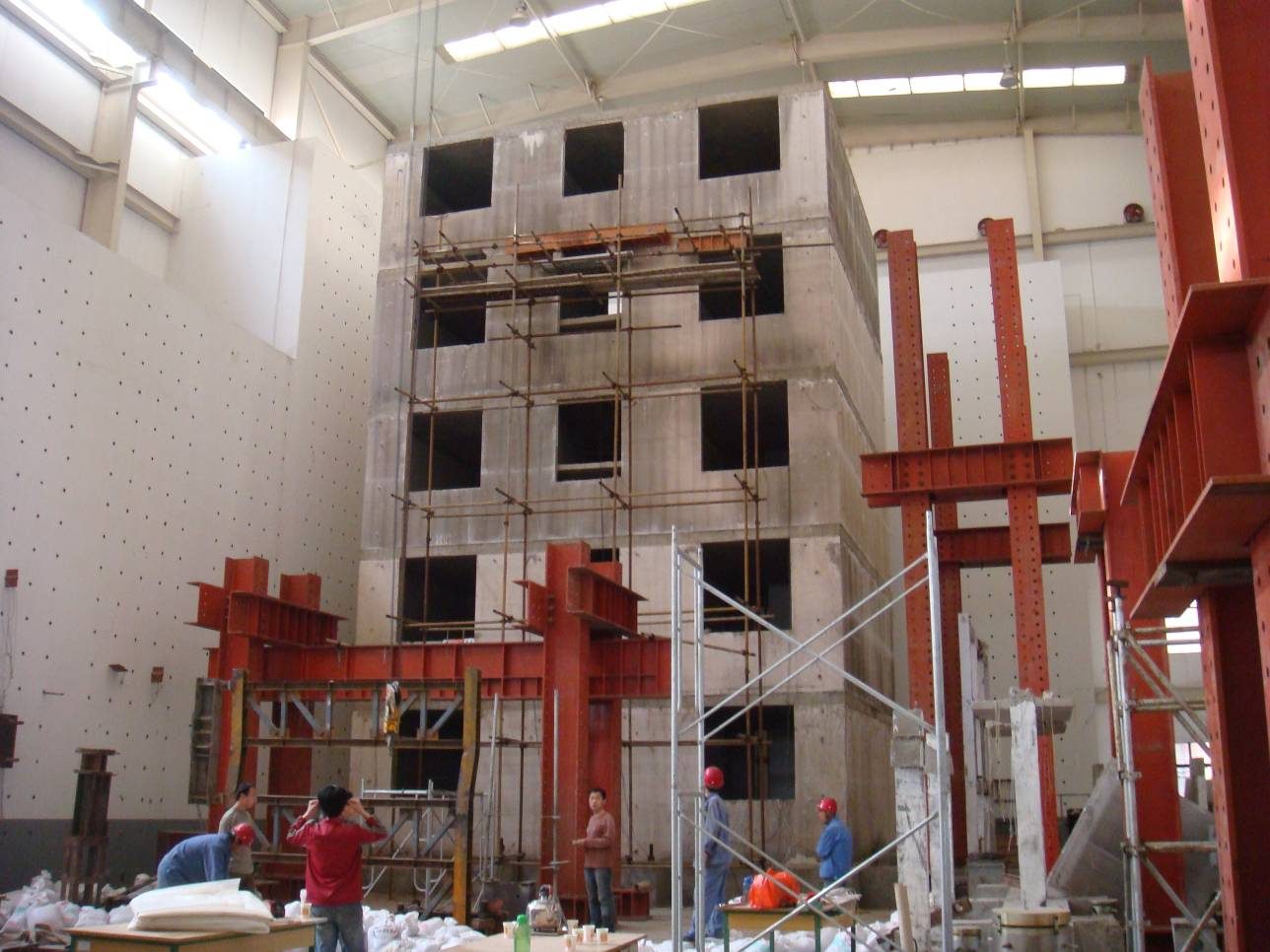
A full-scale five-storey Rapidwall structure was destructively earthquake-tested — driven past its design limits so engineers could see not only that it stands, but how it behaves when everything is asked of it. That is the difference between a claim and a characterised system.
See the projectsThe evidence locker
Certificates, summaries, case studies.
The engineering record.
Structural, fire and acoustic test summaries from the institutions above.
The paper that backs the claims.
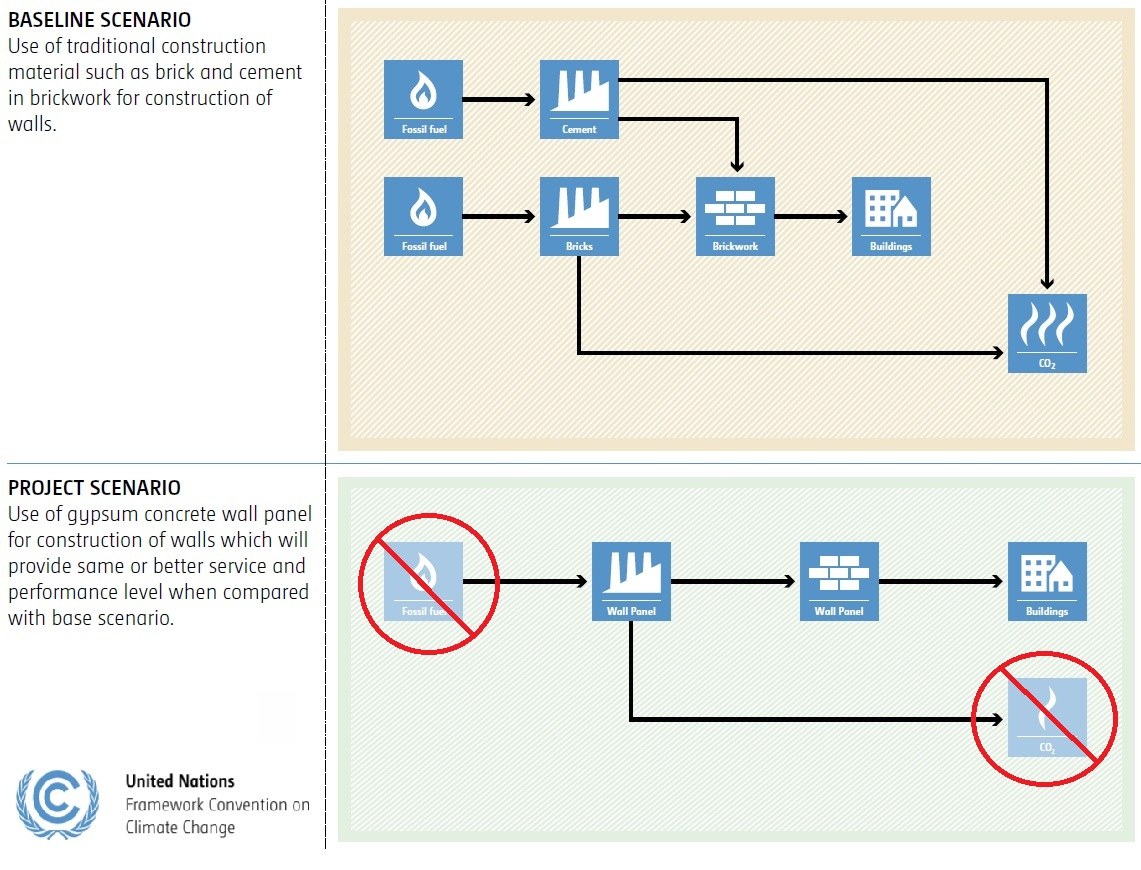
UNFCCC certification (2013) and award documentation. View the UNFCCC methodology at cdm.unfccc.int → · Download the methodology (PDF)
Walls in service, by country.
Projects across Australia, India, China, Oman and Saudi Arabia — from single homes to five markets at estate scale. Browse the projects →
Put the evidence to work on your project.
If a specific test report, certificate or reference project would help your assessment, ask — we will provide it directly.
Request the evidence