
Gypsum valorisation
From by-product to value.
More than six billion tonnes of phosphogypsum sit in stacks around the world, growing by over 230 million tonnes a year — most of it going straight to stockpile. Meanwhile Europe stares down a projected 30-million-tonne annual gypsum shortfall as coal-fired FGD supply retires. The Rapidflow Calciner closes that circle: it turns the liability into premium plaster, walls and fire products.
We call it what it is: not waste, not merely a by-product — a co-product, waiting for its market.
Sources: UNECE / IFA phosphogypsum reporting, 2025; published industry analyses. Figures rounded.
The short answer
Can phosphogypsum be used in construction?
Yes — and it has been for decades.
Rapidflow Fluid-Bed Calciners are designed to process both natural and synthetic gypsums, giving producers the flexibility to work with different feedstocks — including phosphogypsum, FGD gypsum and natural gypsum — through the same calcination platform.
RBS technology has been used with phosphogypsum in Australia, China, India and South Africa for more than 20 years, with products developed and used in accordance with the applicable national requirements.
The resulting plaster can become a marketable product in its own right, or the feedstock for downstream building products such as Rapidwall. Rapidwall panels produced this way were recognised under the UNFCCC in 2013 as the first building material granted carbon-credit eligibility — a distinction that, to date, remains unique.
Feedstock is tested first. The shortest path to product is matched to it.
Known internationally as phosphogypsum valorisation, or beneficial use.
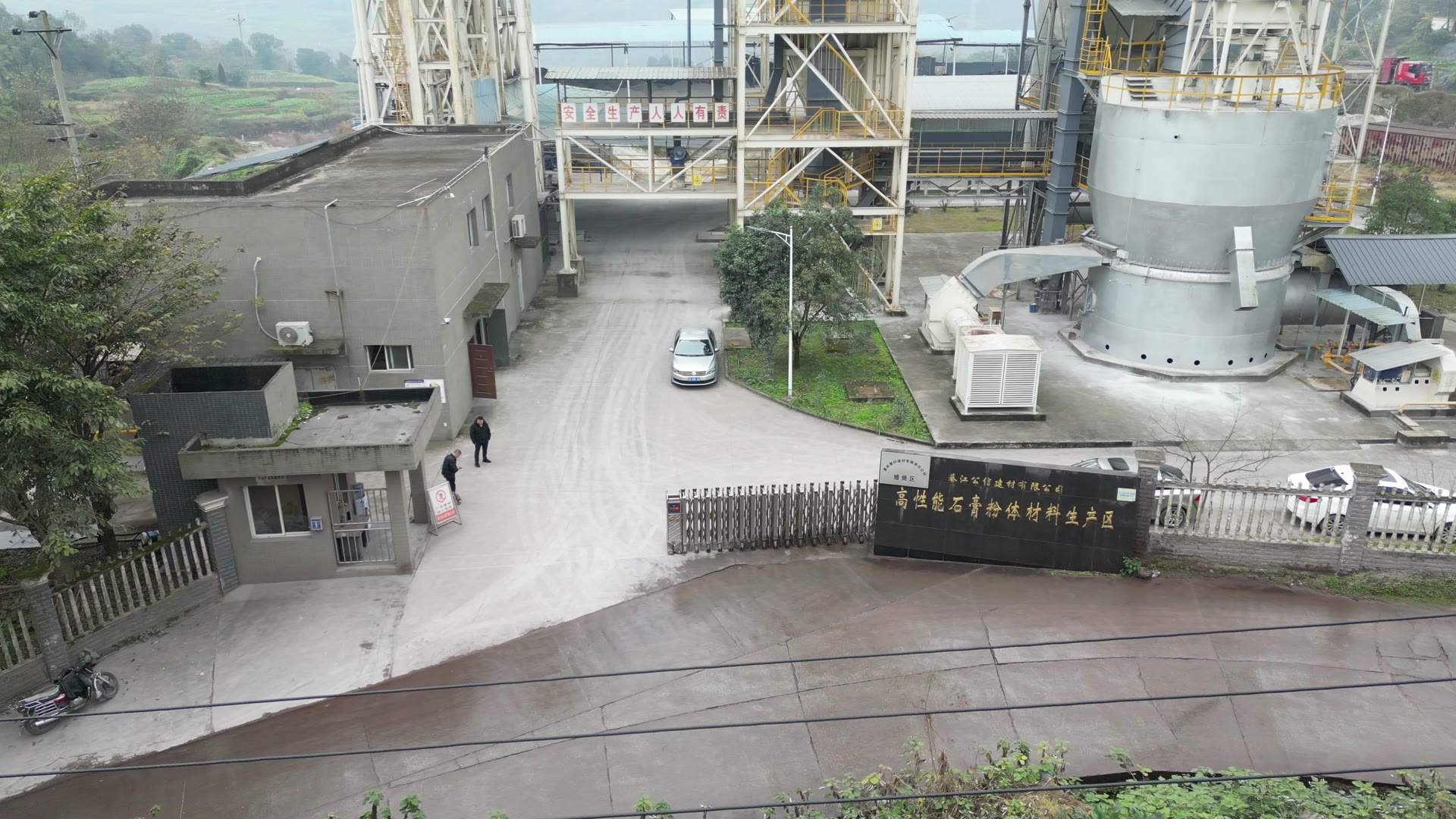
Seen from the air
The feedstock, the machine, the answer.
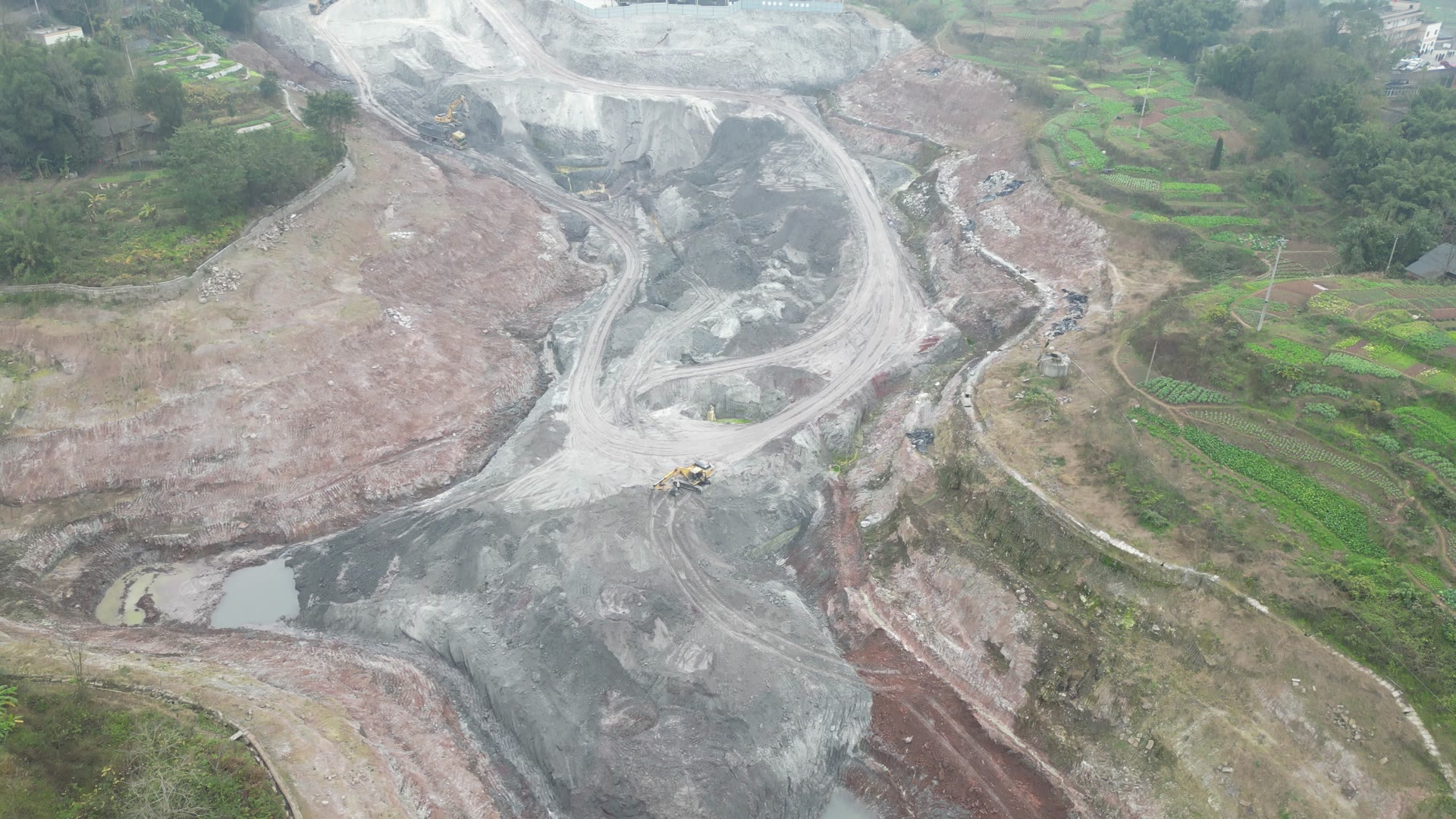
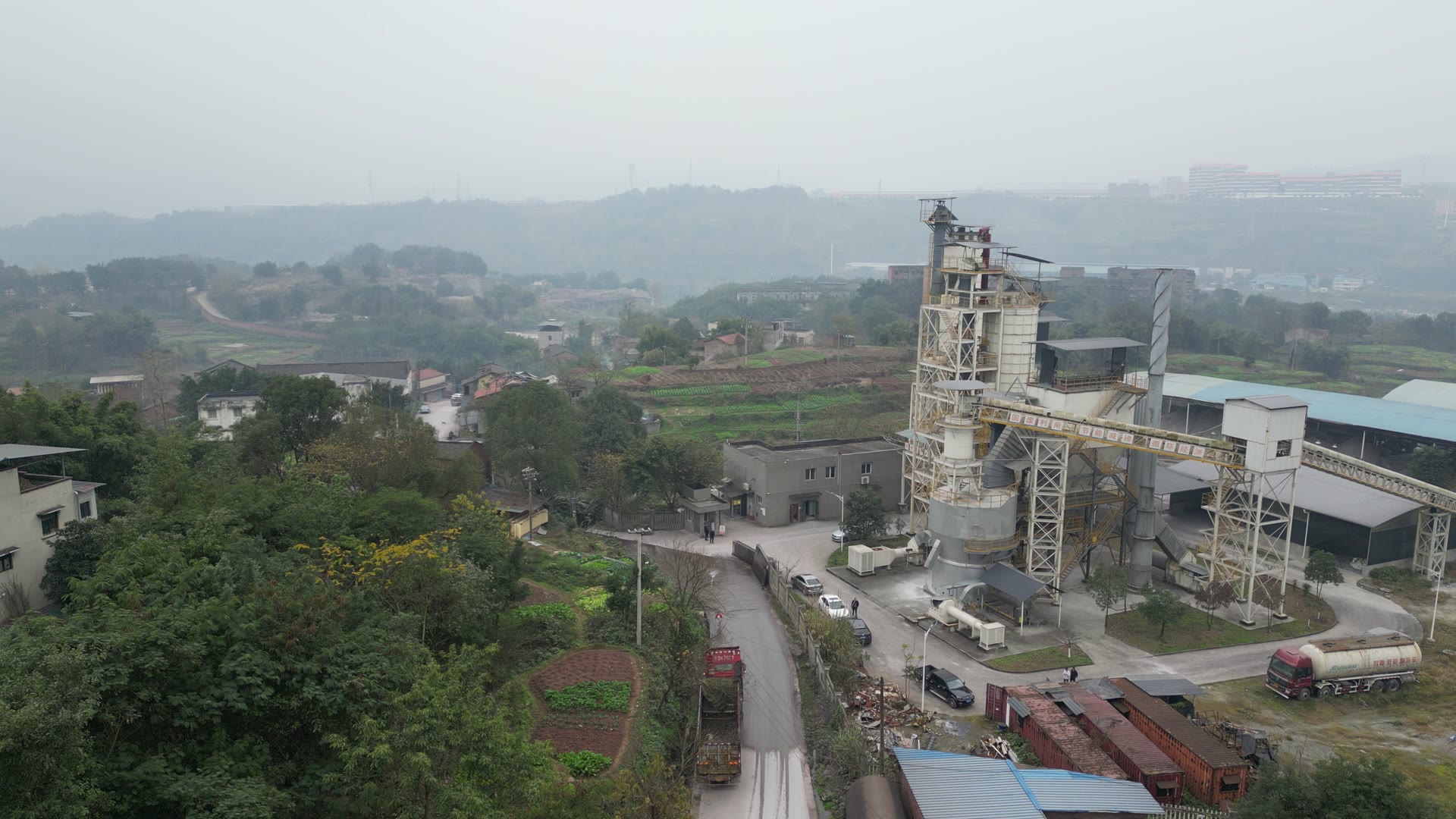
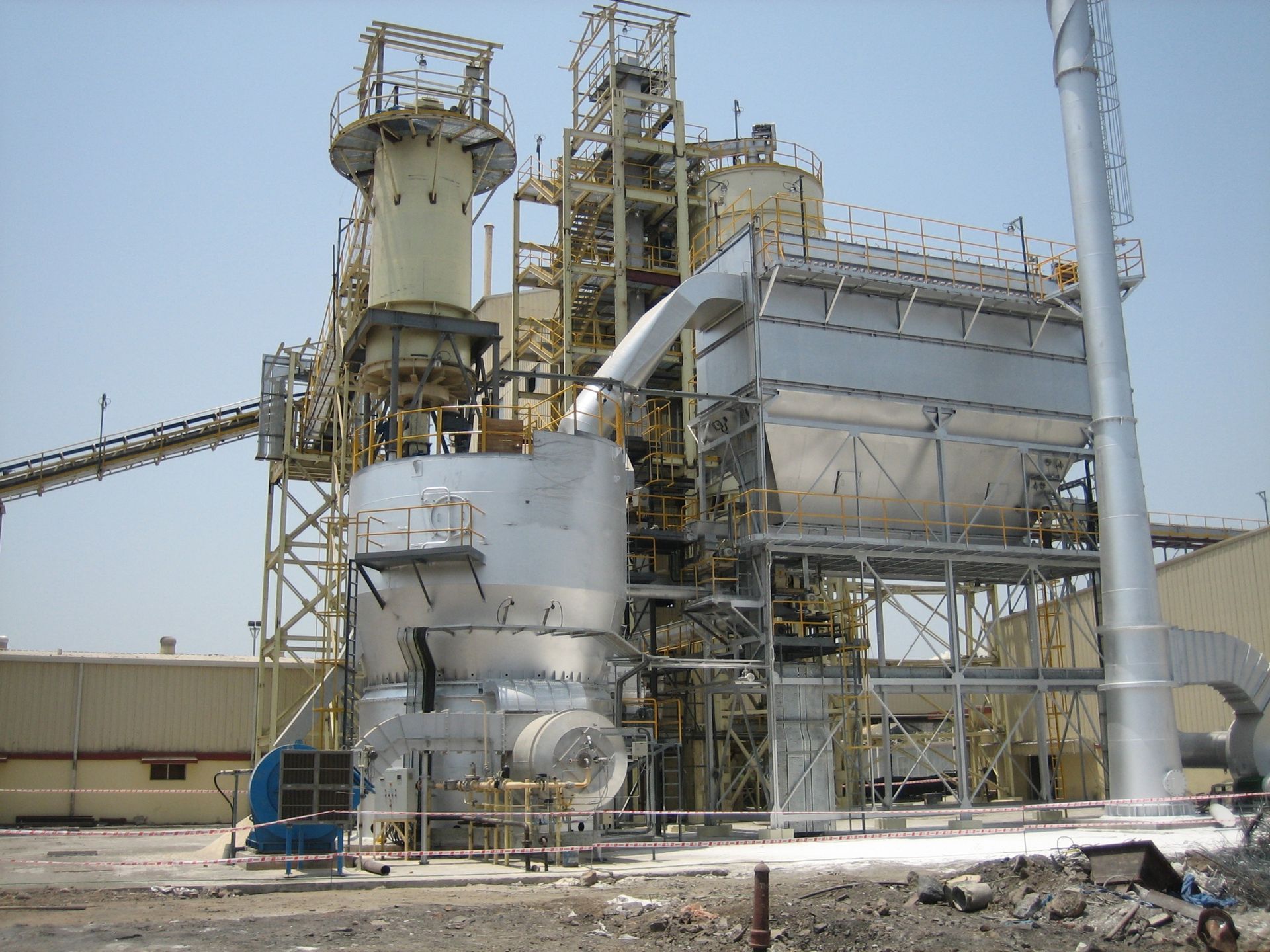
RBS has established Rapidflow projects using phosphogypsum across multiple international markets, demonstrating the technology's ability to convert phosphate-industry gypsum into usable plaster feedstock for downstream products.
These projects brought together the feedstock, calcination technology and product pathway at commercial scale — not as a laboratory concept, but as real plant, real material and real project experience.
See the projectsThe Rapidflow Calciner
Built because the market's plaster wasn't good enough.
Rapidwall demanded a consistency of plaster the world's suppliers could not reliably deliver — so we designed and commissioned our own machine. The Rapidflow Calciner's innovative fluid-bed suspends the gypsum in heated air, calcining every grain evenly and precisely.
The result is feedstock freedom at the industry's lowest temperature. Calcining at just 140 °C, the Rapidflow combines drying and calcination in one step, accepts wet feed with no costly pre-drying, and cuts fuel and energy by up to 30%. The calcining vessel has no moving parts — virtually no maintenance, no monthly shutdowns, no risk of Anhydrite II.
Rapidflow units are designed, installed and commissioned by RBS, with staff training and ongoing technology support.
The technology has been proven in Australia over more than twenty years, with additional project experience across international markets and a range of natural and synthetic gypsum feedstocks.
How plants are delivered
Even suspension means every grain sees the same heat — driving off exactly the right water, batch after batch.
Whose problem this solves
If you hold the gypsum, you hold the opportunity.
FGD gypsum, before the plant closes.
Decades of desulphurisation left mountains of co-product — and coal exits are now closing the tap on supply others depend on. Calcine the pile into product while both problem and market are yours.
Gypstacks into revenue streams.
Four to five tonnes of phosphogypsum arrive with every tonne of acid. We test your feedstock first, then match it to the shortest path — plaster, panels, or Rapidseal — with minimal processing steps.
A remediation cost becomes housing supply.
Pair a Rapidflow plant with Rapidwall manufacturing and the stack beside the river becomes the walls of the next housing program — locally made, locally owned.
The industry's direction
The phosphate industry is writing its own low-carbon roadmap. Valorisation is how the gypsum chapter gets written.On the EBRD–IFA low-carbon roadmap for phosphate & potash fertilisers, 2026
Decarbonisation and circularity now sit on the phosphate industry's own agenda: the EBRD and the International Fertilizer Association have commissioned a roadmap to net zero for the phosphate and potash fertiliser industry. Four to five tonnes of phosphogypsum arrive with every tonne of acid — turning that stream into certified building products is the most direct circular answer available, and it is already operating.
A remediation cost on one ledger becomes housing, plaster and mine-safety supply on another.
Don't forget the plaster itself
Premium plaster is a product line, not a by-product.
Every Rapidflow plant produces plaster good enough to sell on its own terms — to board manufacturers and construction markets hungry for consistent supply. For many partners, plaster sales carry the plant while panel and Rapidseal lines scale up.
Ways to engage
- Complete plantsA Rapidflow Calciner and plant built around your feedstock — designed, installed and commissioned by RBS, through to first tonne.
- Technology licensingExclusive regional rights to manufacture and market — with RBS know-how transfer and ongoing technical support behind you.
- Product supplyPremium plaster, Rapidwall panels and RapidSeal — bagged, bulk or project-scale, supplied from the plant network.
- Project supportRBS engineers at your side — feedstock testing, design manuals, operator training and commissioning.
Questions the industry asks
Valorisation, plainly answered.
Which gypsums can Rapidflow process?
Natural, FGD, phospho and chemical gypsum. Every project begins with feedstock testing, so the process is matched to the material — not the other way round.
Is this proven at scale?
Yes. RBS has established Rapidflow projects using phosphogypsum in international markets — commercial plant scale, real feedstock, real equipment, real downstream product pathways. The process has contributed to building products used in numerous buildings and homes across China, India and South Africa — beyond laboratory testing, into full-scale construction.
What quality does the plaster reach?
Shanghai Research Institute testing of RBS-calcined FGD gypsum found bending strength 35% higher than rotary-calcined plaster — pure hemihydrate of very high strength.
What recognition does the end product hold?
Rapidwall was certified under the UNFCCC in 2013 as the first and only building material granted carbon-credit eligibility.
What makes the calciner different?
Calcination at around 140 °C, with no costly pre-drying, up to 30% energy savings, and no moving parts in the calcining zone.
What can a stack become?
Premium plaster for market, Rapidwall panels for housing programs, and Rapidseal supply for mine safety — the shortest path is chosen per feedstock.
Start with a sample.
We test feedstock before we promise anything. Send us your gypsum analysis — or the gypsum itself — and we will tell you plainly what it can become.
Arrange feedstock testing