
Rapidflow® · The Calciner
One calciner. Every gypsum.
For plasterboard producers, compounds manufacturers and holders of synthetic gypsum, the Rapidflow® Calciner is one machine for the whole feedstock map — natural, FGD, chemical or phosphogypsum — calcined at 140 °C in a fluid bed with no pre-drying, up to 30% energy saving, and no moving parts in the calcining zone.
The short answer
What is the Rapidflow Calciner?
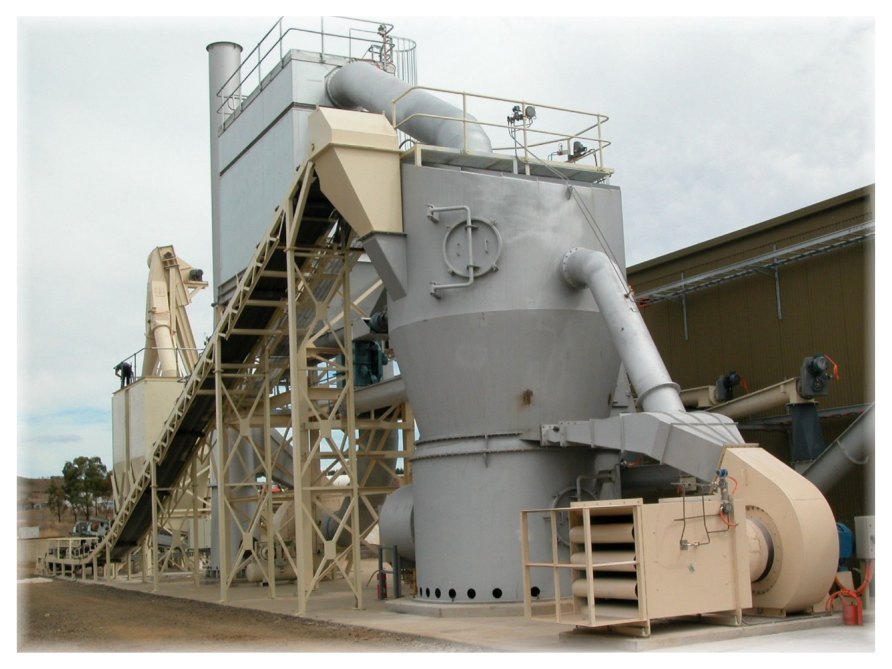
The Rapidflow Calciner is a fluid-bed gypsum calciner that converts natural and synthetic gypsum — FGD, chemical and phosphogypsum — into consistent, pure hemihydrate plaster at 140 °C, the lowest calcining temperature in the industry. It requires no pre-drying, saves up to 30% in energy, delivering an output of 15–30 tonnes per hour, and has no moving parts in the calcining zone.
Who it's for
Three industries, one machine.
Capacity with better economics.
Board plants gain calcining capacity at the industry's lowest temperature — up to 30% energy saving, no pre-drying stage, and stucco quality independently verified above rotary-calcined plaster.
Consistency you can formulate on.
Pure hemihydrate with a controllable setting window of five to fourteen minutes, batch after batch — the foundation compound manufacturers need for thin-coats, screeds and industrial grades.
Your stream, made product.
FGD, chemical and phosphogypsum calcine directly — power stations, chemical producers and phosphate operations turn a held stream into plaster for market. See valorisation →
The machine
Fluid-bed calcination, by the numbers.
Even heat, every grain.
In a fluid bed, gypsum is suspended and calcined in even suspension — every grain sees the same 140 °C, driving off exactly the right water, batch after batch. No kettle cycling, no rotary wear, no moving parts where the heat does its work.
The result is consistent, pure hemihydrate of very high strength — verified independently: Shanghai Research Institute testing found RBS-calcined FGD plaster 35% higher in bending strength than rotary-calcined plaster, and 75%-purity feed has matched 95%-purity kettle plaster for strength.
Fluid bed vs conventional
The calcining comparison, on RBS numbers.
| Feature | Conventional kettle / rotary | Rapidflow Calciner |
|---|---|---|
| Calcining temperature | Higher process temperatures | 140 °C — the industry's lowest |
| Pre-drying stage | Commonly required as a separate step | None — handled in one fluid-bed pass |
| Energy use | — | Up to 30% saving |
| Moving parts in the calcining zone | Drums and mechanical agitation | None |
| Feed tolerance | Premium feed favoured | 75%-purity feed has matched 95%-purity kettle plaster |
| Verified plaster quality | — | 35% higher bending strength vs rotary — Shanghai Research Institute |
| Capacity | — | 15–30 tonnes per hour |
Every Rapidflow figure above is RBS-tested or independently verified.
Proven in the field
Built, running, and verified.
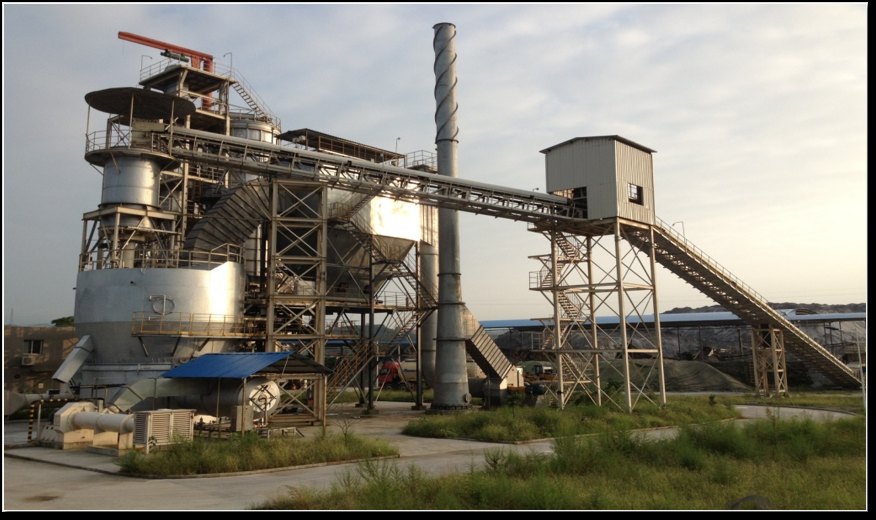
100% phosphogypsum, in operation.
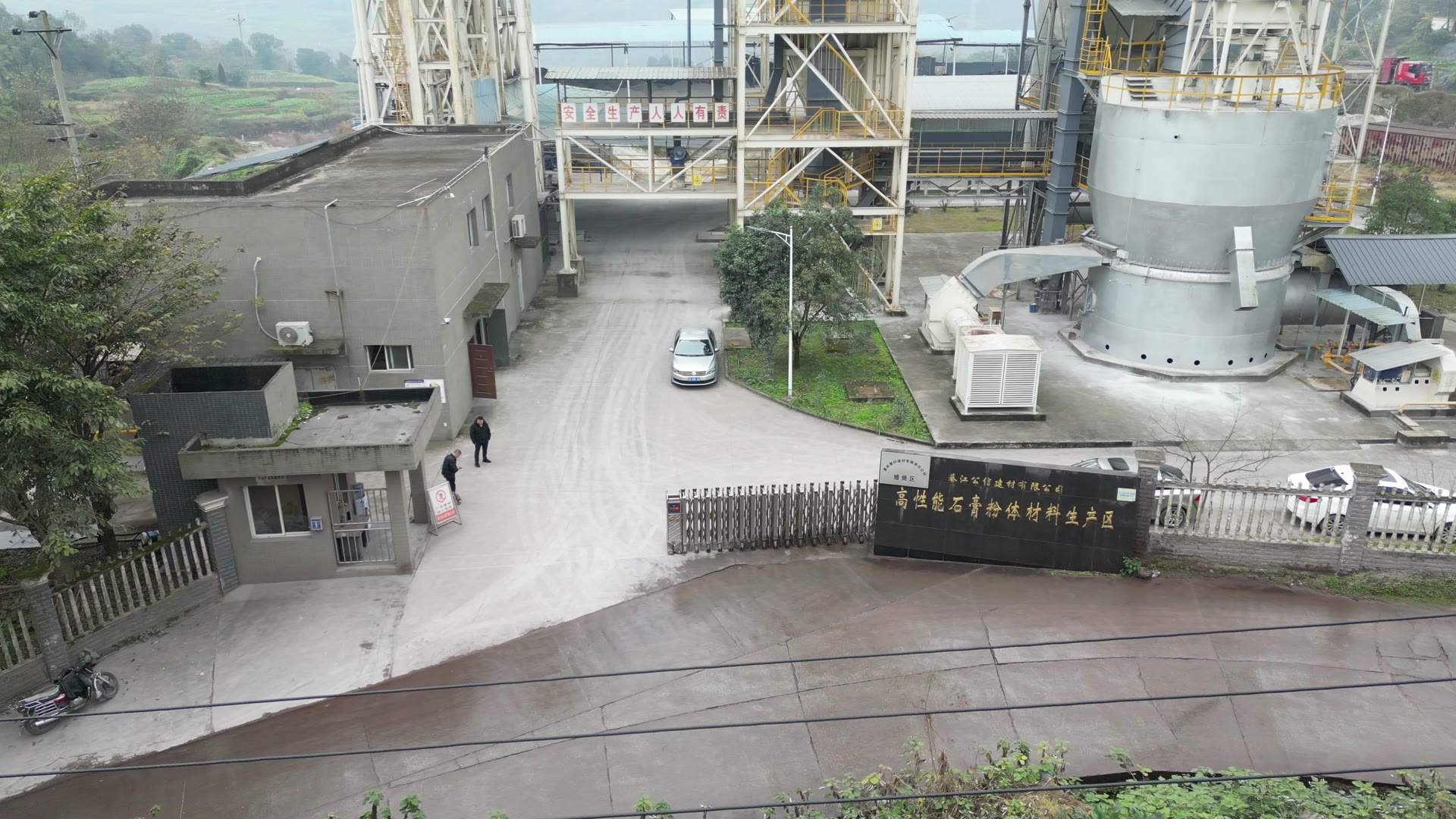
An operating Rapidflow plant runs entirely on phosphogypsum — the hardest synthetic feedstock, made premium plaster daily.
Feedstock and machine, same ground.
A Rapidflow calciner stands beside the stockpile it was built to consume — see it from the air on our Valorisation page.
Quality on the record.
Independent testing by the Shanghai Research Institute of Building & Material Sciences; FGD gypsum from Beijing and Hangzhou power stations calcined to over 30 MPa.
How it's delivered
Complete plants. Licensing. Support.
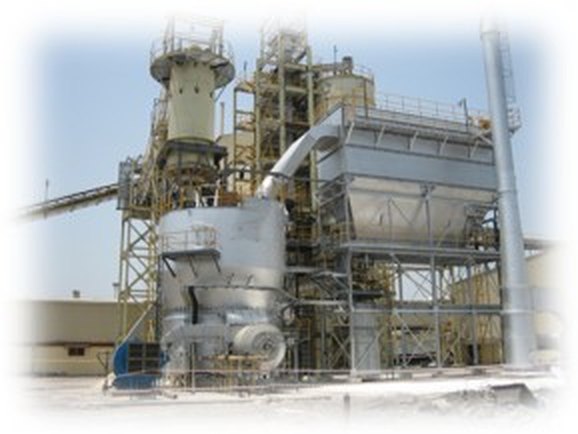
Rapidflow is delivered as complete plants engineered to your feedstock and capacity, as technology licensing within defined territories, and with project support from feedstock testing through commissioning — one partner across the whole chain, from Rapid Building Systems, Australia.
See the value chainQuestions producers ask
The calciner, plainly answered.
Which gypsums can it calcine?
Natural, FGD, chemical and phosphogypsum. Every project begins with feedstock testing, and the process is matched to the material.
Where does the 30% saving come from?
Calcining at 140 °C with no separate pre-drying stage — moisture and calcination are handled in one fluid-bed pass.
Can it replace kettle or rotary calcination?
Yes — with lower temperature, no moving parts in the calcining zone, and independently verified higher plaster quality.
Tell us your feedstock. We'll size the machine.
Plasterboard capacity, compounds supply, or a synthetic stream waiting for its market — send us the feedstock and the outcome, and we will work backwards to the plant.
Start the conversation